Search
Sort / Filter



Digital Platform Rail

Change Making for Gender Equality in Rail


TransItion STRategy on vegetAtion Management


Future UNified DC Railway Electrification System


Prepare railway staff for cultural changes linked (…)

Noise and vibration technical advice

Ecosystem Valuation for Railways

The goal is to develop a standardized approach for (…)

The RERA Cyber project is part of the RERA (…)





System for vehicle infrastructure Interaction (…)

Locomotive bOgie Condition mAinTEnance

Low cost noise control by optimised rail pad

Hydrogen risks analysis and safety comparison with (…)
IEA-UIC Energy and CO2 Railway Handbook 2012
IEA-UIC Energy and CO2 Railway Handbook 2013
IEA-UIC Energy and CO2 Railway Handbook 2014
IEA-UIC Energy and CO2 Railway Handbook 2015
IEA-UIC Energy and CO2 Railway Handbook 2016
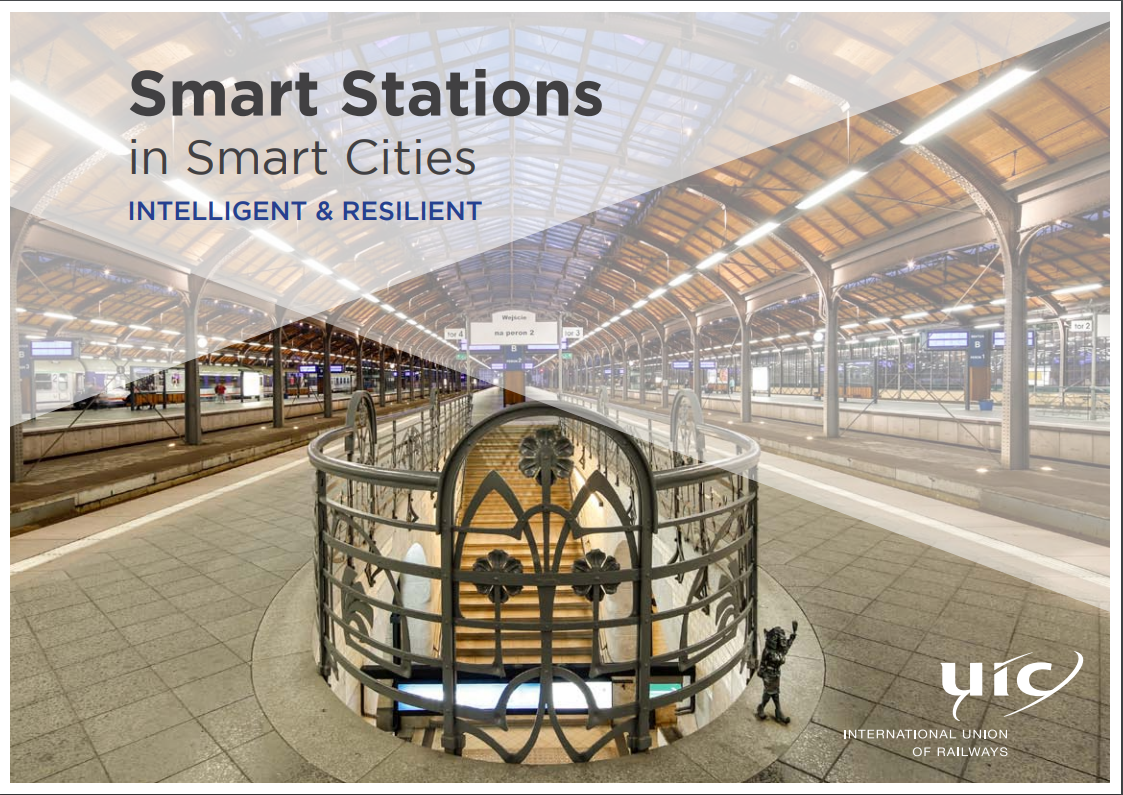
Smart Stations in Smart Cities
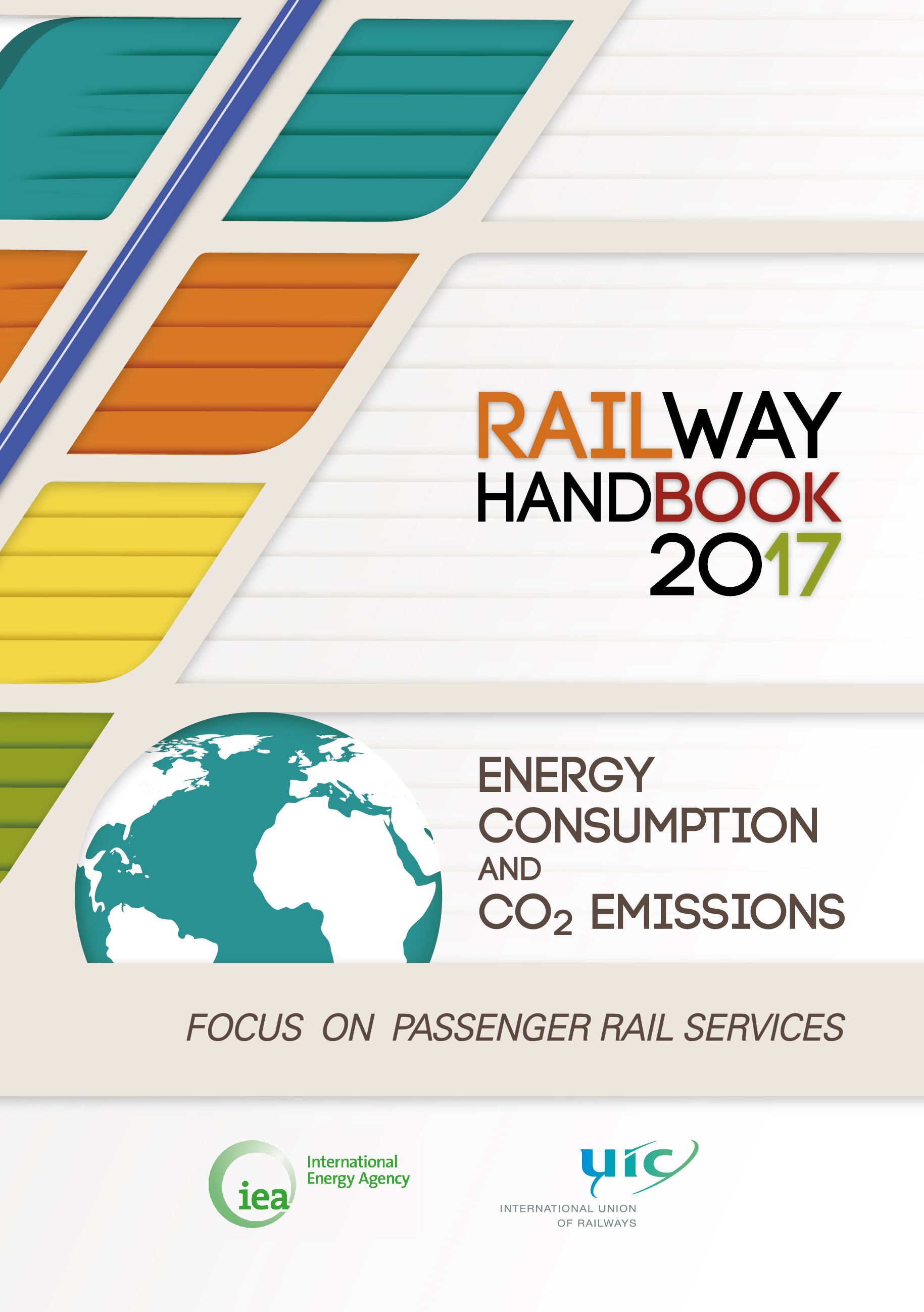
IEA-UIC Energy and CO2 Railway Handbook 2017
The 2017 edition of the Railway Handbook on Energy Consumption and CO2 emissions is the sixth publication of this series.
As in previous editions, this handbook aims to provide the latest insights into the rail sector’s developments of transport activity, energy consumption and CO2 emissions.
For Part I, this handbook combines IEA (International Energy Agency) statistics and rail data estimates from the IEA Mobility Model together with UIC statistics and the UIC Environmental Performance Database. Further data, particularly on activity of transport modes other than railway, come from national statistics offices and international organisations (e.g. OECD and Eurostat). These data are supplemented by sector – or region-specific databases such as the High-speed Lines in the World database.
Part I of this handbook presents railway statistics related to the energy and CO2 emission performance of the transport sector.
Globally, rail was responsible for 1.9% of transport final energy demand, and for 4.2% of CO2 emissions from the transport sector in 2015. In comparison, road transport accounts for a 75.3% share of final energy demand, and for 72.6% of CO2 emissions from transport. Rail accounts for a relatively larger share of transport activity demand. In 2015, rail accounted for 6.3% of global passenger transport activity (in passenger-km) and for 6.9% of global freight transport activity (in tonne-km). The difference in magnitude of the share of activity and CO2 emissions can be largely explained by the better energy efficiency (per passenger-km and tonne-km) of the rail sector compared to the road sector. A continued increase of the share of electricity used in the rail sector was observed between 2013 and 2015, as well as an increase of the share of renewables used for electricity generation, which contributes to further improving the CO2 intensity of rail.
Since 1975, a steady improvement of the railway energy intensity has been observed. This development continued for freight rail transport between 2013 and 2015, but in the passenger rail sector a slight worsening of energy intensity was observed in the same period. This is consistent with the unprecedented shift in China from conventional rail to high-speed rail.
Part II of this handbook features an in-depth analysis of passenger rail services, with a focus on urban and high-speed rail.
In 2015, passenger rail transport (including urban rail services) accounted for 9% of global passenger activity (passenger-km). The share of Asia in total passenger rail activity grew significantly over the past decades. Asia accounted for 50% of passenger rail activity in 1985, grew to 60% by 2000, and finally reached 75% in 2015.
In 2015, the passenger rail sector consumed nearly 700 PJ of final energy, which constitutes one-third of the rail sector. Electricity accounts for almost three quarters of passenger rail final energy demand, and this share is increasing. This is consistent with the growth of urban and high-speed rail services, both characterised by a high dependence on electric traction.
High-speed rail activity has grown rapidly especially in recent years, making it the fastest growing passenger rail service. On average, global high-speed rail activity grew by 14% per year between 2005 and 2015. A strong growth is especially observed between 2013 and 2015, when activity increased by nearly 70%. This increase is largely influenced by a surge in activity observed in China where high-speed rail activity grew by 170% between 2013 and 2015.
In the IEA 2°C Scenario [2DS] and Beyond 2°C Scenario [B2DS] (having a 50% chance of limiting global warming to 2°C and 1.75°C respectively) the rail sector plays a key role in reducing CO2 emissions from transport. High-speed rail in particular plays an important role, as large proportions of short haul aviation activity (trips up to 1000 km) are shifted to high-speed rail towards 2060.
The expansion of metro networks and high capacity/high frequency commuter rail networks has significantly increased urban rail activity in recent years. The growth of these systems can largely be attributed to growth observed in China. High-capacity/high frequency rail activity within Chinese cities has grown by 150% between 2005 and 2015.
Both metros and high capacity/high frequency commuter rail have a better specific energy consumption per passenger-kilometre compared to buses, passenger cars, and two-wheelers. High capacity urban rail requires, on average, less than a tenth of the energy needed per kilometre travelled compared with passenger cars. High capacity urban rail is also more than twice as energy-efficient per passenger-km compared with tramways and light rail systems. This is primarily due to the higher occupancy rates, or load factors, of high capacity urban rail.
To achieve CO2 emission reductions in line with 2DS and B2DS trajectories, significant modal shift in urban transport from private vehicles (passenger cars especially) to more efficient public transport modes are also needed. Consequently, the demand for urban rail services is projected to grow by a factor 6 in the 2DS and by a factor 8 in the B2DS between 2015 and 2060.
The UIC Sustainable Development Unit is grateful to the support of UIC members and their annual contributions to UIC Statistics and to the Environmental Strategy Reporting System (ESRS) of UIC. The direct data collection from railways covers over 90% of the global rail transport activity, and the incorporation of this information into the IEA Mobility Model has increased the consistency of the data, providing a more solid background for the analysis presented in this publication and into the Mobility Model of the IEA.
The production of the Railway Handbook 2017 has been a good opportunity to strengthen collaboration between the IEA and UIC. This relationship has served to enrich and improve the knowledge of activity, energy and emissions data associated with the railway sector.
As in previous editions, this handbook aims to provide the latest insights into the rail sector’s developments of transport activity, energy consumption and CO2 emissions.
For Part I, this handbook combines IEA (International Energy Agency) statistics and rail data estimates from the IEA Mobility Model together with UIC statistics and the UIC Environmental Performance Database. Further data, particularly on activity of transport modes other than railway, come from national statistics offices and international organisations (e.g. OECD and Eurostat). These data are supplemented by sector – or region-specific databases such as the High-speed Lines in the World database.
Part I of this handbook presents railway statistics related to the energy and CO2 emission performance of the transport sector.
Globally, rail was responsible for 1.9% of transport final energy demand, and for 4.2% of CO2 emissions from the transport sector in 2015. In comparison, road transport accounts for a 75.3% share of final energy demand, and for 72.6% of CO2 emissions from transport. Rail accounts for a relatively larger share of transport activity demand. In 2015, rail accounted for 6.3% of global passenger transport activity (in passenger-km) and for 6.9% of global freight transport activity (in tonne-km). The difference in magnitude of the share of activity and CO2 emissions can be largely explained by the better energy efficiency (per passenger-km and tonne-km) of the rail sector compared to the road sector. A continued increase of the share of electricity used in the rail sector was observed between 2013 and 2015, as well as an increase of the share of renewables used for electricity generation, which contributes to further improving the CO2 intensity of rail.
Since 1975, a steady improvement of the railway energy intensity has been observed. This development continued for freight rail transport between 2013 and 2015, but in the passenger rail sector a slight worsening of energy intensity was observed in the same period. This is consistent with the unprecedented shift in China from conventional rail to high-speed rail.
Part II of this handbook features an in-depth analysis of passenger rail services, with a focus on urban and high-speed rail.
In 2015, passenger rail transport (including urban rail services) accounted for 9% of global passenger activity (passenger-km). The share of Asia in total passenger rail activity grew significantly over the past decades. Asia accounted for 50% of passenger rail activity in 1985, grew to 60% by 2000, and finally reached 75% in 2015.
In 2015, the passenger rail sector consumed nearly 700 PJ of final energy, which constitutes one-third of the rail sector. Electricity accounts for almost three quarters of passenger rail final energy demand, and this share is increasing. This is consistent with the growth of urban and high-speed rail services, both characterised by a high dependence on electric traction.
High-speed rail activity has grown rapidly especially in recent years, making it the fastest growing passenger rail service. On average, global high-speed rail activity grew by 14% per year between 2005 and 2015. A strong growth is especially observed between 2013 and 2015, when activity increased by nearly 70%. This increase is largely influenced by a surge in activity observed in China where high-speed rail activity grew by 170% between 2013 and 2015.
In the IEA 2°C Scenario [2DS] and Beyond 2°C Scenario [B2DS] (having a 50% chance of limiting global warming to 2°C and 1.75°C respectively) the rail sector plays a key role in reducing CO2 emissions from transport. High-speed rail in particular plays an important role, as large proportions of short haul aviation activity (trips up to 1000 km) are shifted to high-speed rail towards 2060.
The expansion of metro networks and high capacity/high frequency commuter rail networks has significantly increased urban rail activity in recent years. The growth of these systems can largely be attributed to growth observed in China. High-capacity/high frequency rail activity within Chinese cities has grown by 150% between 2005 and 2015.
Both metros and high capacity/high frequency commuter rail have a better specific energy consumption per passenger-kilometre compared to buses, passenger cars, and two-wheelers. High capacity urban rail requires, on average, less than a tenth of the energy needed per kilometre travelled compared with passenger cars. High capacity urban rail is also more than twice as energy-efficient per passenger-km compared with tramways and light rail systems. This is primarily due to the higher occupancy rates, or load factors, of high capacity urban rail.
To achieve CO2 emission reductions in line with 2DS and B2DS trajectories, significant modal shift in urban transport from private vehicles (passenger cars especially) to more efficient public transport modes are also needed. Consequently, the demand for urban rail services is projected to grow by a factor 6 in the 2DS and by a factor 8 in the B2DS between 2015 and 2060.
The UIC Sustainable Development Unit is grateful to the support of UIC members and their annual contributions to UIC Statistics and to the Environmental Strategy Reporting System (ESRS) of UIC. The direct data collection from railways covers over 90% of the global rail transport activity, and the incorporation of this information into the IEA Mobility Model has increased the consistency of the data, providing a more solid background for the analysis presented in this publication and into the Mobility Model of the IEA.
The production of the Railway Handbook 2017 has been a good opportunity to strengthen collaboration between the IEA and UIC. This relationship has served to enrich and improve the knowledge of activity, energy and emissions data associated with the railway sector.

Rethinking Stations for Future Intermobility


15 September 2026
Innovation Workshop “From chat to action: will Agentic AI transform the travel experience?” takes place

15 September 2026
Investment in rail: 6th International Symposium on High-Speed Rail Socioeconomic Impacts

15 September 2026
Connecting the continent: UIC launches the Regional Competence Hub Africa

14 September 2026
New working groups launched to continue the IRS migration process

7 September 2026
Translating ideas into impact: How the UIC Academic Board for Innovation is driving global rail collaboration

7 September 2026
UIC launches a new cycle of the UIC Global Mentoring Programme for Railway Talent

27 July 2026
Rolling stock training programme successfully completed in Ankara

27 July 2026
Register now for the UIC webinar on railway fuel filtration for internal combustion engines
24 July 2026
Latest UIC publications on rolling stock
23 July 2026
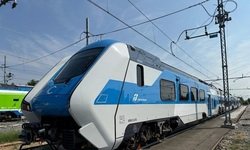
UIC visits the Hitachi Rail plant in Pistoia, Italy
 now: 1789776000 date: 1789776000
The UIC Sustainability Impact Awards 2026
2026-09-19 00:52:05
 now: 1789776000 date: 1789776000
Railway Fuel Filtration for Internal Combustion Engines
2026-09-19 00:52:05
 now: 1789776000 date: 1789776000
UIMC Congress 2026
2026-09-19 00:52:05
 now: 1789776000 date: 1789776000
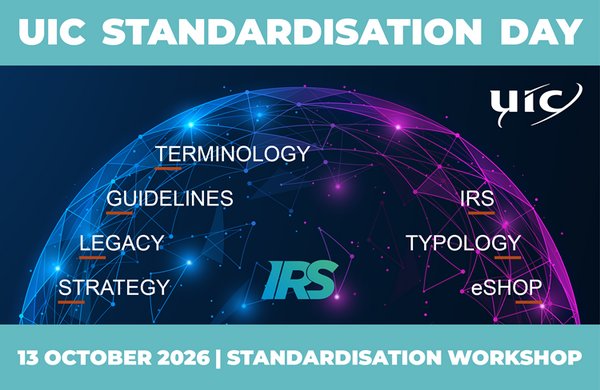
UIC Standardisation Day
2026-09-19 00:52:05
 now: 1789776000 date: 1789776000
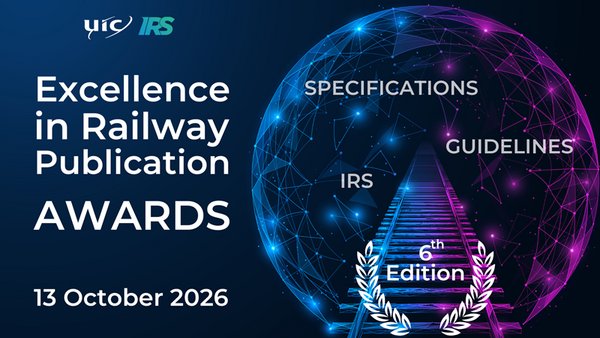
Excellence in Railway Publications Award 2026
2026-09-19 00:52:05
 now: 1789776000 date: 1789776000
56th Watford Conference
2026-09-19 00:52:05
 now: 1789776000 date: 1789776000
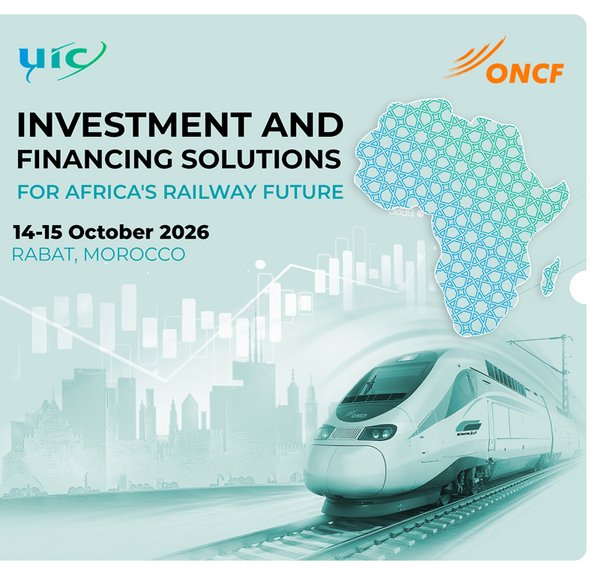
Investment and Financing Solutions for Africa’s Railway Future
2026-09-19 00:52:05
 now: 1789776000 date: 1789776000
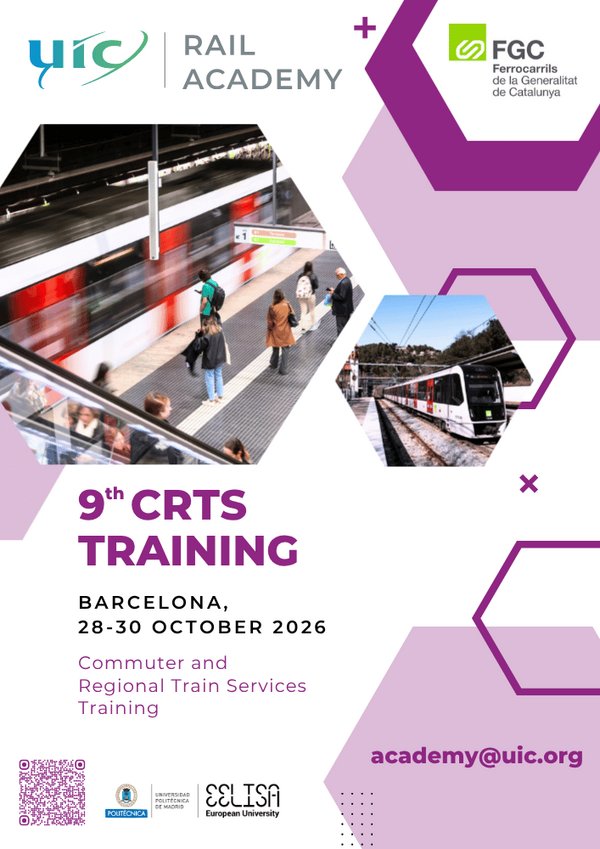
9th Training on Commuter and Regional Train Services
2026-09-19 00:52:05
 now: 1789776000 date: 1789776000
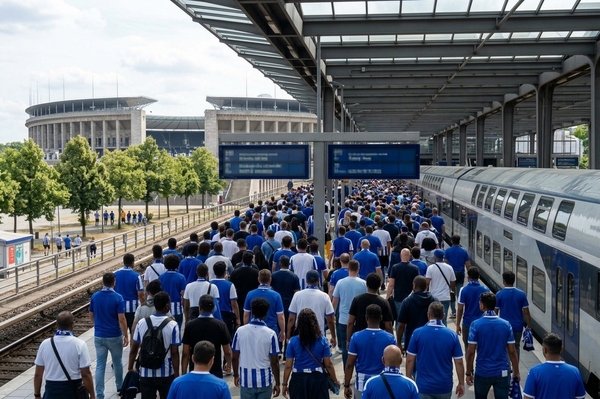
Africa Region Training session: Security of major events
2026-09-19 00:52:05
 now: 1789776000 date: 1789776000
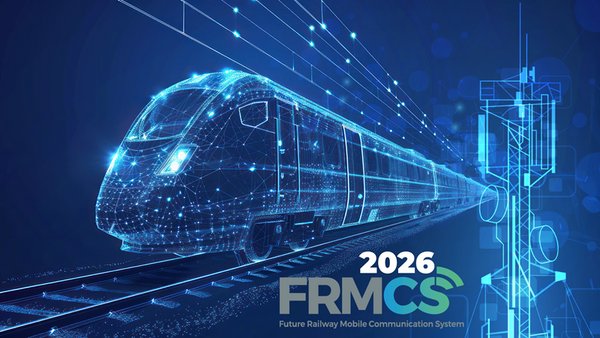
5th Global FRMCS Conference
2026-09-19 00:52:05