The UIC
Sustainability Impact Awards 2026
Presentation Ceremony
Day(s)
:
Hour(s)
:
Minute(s)
:
Second(s)
Celebrating the best of mobility for people, the planet, and prosperity
Application:
Applications open until 13 March
Presentation ceremony:
The ceremony will take place during InnoTrans on September 23, 2026, in Berlin.
Thanks to Our Sponsors!


Alstom
A global leader in the transportation sector, in the digital age
From high-speed trains, metros, monorails, trams, to turnkey systems, services, infrastructure, signalling and digital mobility, Alstom offers its diverse customers the broadest portfolio in the industry. With its presence in 63 countries and a talent base of over 80,000 people from 175 nationalities, the company focuses its design, innovation, and project management skills to where mobility solutions are needed most.
Platinium Sponsor

Silver Sponsor

Media Partners


Delivery Partner

About
A prestigious competition organised by the International Union of Railways (UIC) in collaboration with the Sustainable Development Foundation. The aim of the awards is to honour and showcase outstanding achievements in the global railway sector, with a strong emphasis on sustainability.
Award
Categories
The UIC Sustainability Impact Awards 2026 categories recognise the range of innovation which is transforming the rail sector today. The categories are divided into 4 macro-subjects, each devoted to a different aspect of sustainability.
Each category aligns with the UIC 2030 vision “Design a better Future” and connects to a number of the United Nations Sustainable Development Goals. For the 2026 edition, we are introducing a new, overarching award: the Green Communications Campaign.
These categories celebrate the best of the best, and will be given to the projects, initiatives and individuals who have made the most notable contribution to sustainable development. The projects submitted should be able to demonstrate that they had an impact in 2024-2025.

Customer Service
Accessibility, diversity and inclusion
Recognise projects and programmes that go beyond regulatory requirements to create an inclusive and accessible railway environment. This includes measures to improve physical accessibility and social inclusivity, provide assistance for passengers with additional needs, and implement policies that embrace diversity and inclusion for both passengers and staff.
Climate change adaptation and resilience
Recognise projects that actively contribute to climate change adaptation and resilience, ensuring that railway services can withstand and recover from the impact of extreme weather events and other climate-related challenges.

Innovation
Energy and decarbonization
Recognise projects and technologies that demonstrate a commitment to sustainability by lowering energy consumption, increasing the use of renewable energy sources, and actively participating in efforts to combat climate change within the railway industry.
Natural resources
Highlight projects and technologies that demonstrate a commitment to sustainable practices by minimising the depletion of natural resources, optimising the use of resources, and adopting environmentally friendly approaches, with a particular focus on promoting biodiversity and circular initiatives in railway development and operations.

Cities and Communities
Modal shift
Recognise initiatives, strategies, and projects within cities and communities that successfully promote the transition of passengers or freight from traditional, less sustainable modes of transport to rail services.
Healthy cities and communities
Acknowledge efforts that enhance the quality of life in cities and communities by prioritising health. This can include measures to reduce air pollution, noise, and the overall environmental impact of transport.

Seamless Connectivity
Acknowledge and celebrate partnerships that improve overall connectivity by enabling a seamless transition and efficient interchange between various modes of transport. This encompasses initiatives aimed at enhancing accessibility, minimising transfer times, and offering passengers convenient and integrated travel options. As part of this, improving accessibility involves integrating information, digitisation, and ticket sales, as well as physical connectivity, which all contribute to a more harmonious and connected travel experience.

Green Communication Campaign
Recognising communication initiatives that effectively promote sustainability in the rail sector, this category rewards campaigns that raise awareness, inspire behavioural change, and engage passengers, employees, or communities in supporting a greener future for transport. Projects may include creative use of digital media, public relations, internal communication, or stakeholder engagement strategies that demonstrate a measurable and innovative impact in spreading sustainability messages. Central to this category is the use of credible data as a foundation for communication—initiatives that demonstrate transparency and reliability through data-driven storytelling will be especially valued for their role in building trust and driving meaningful change.
Shortlisted Nominees
Accessibility, diversity and inclusion

SBB CFF FFS
SBB launches Sunflower Lanyards in Switzerland
SBB introduced the Hidden Disabilities Sunflower Lanyard in Switzerland to support passengers with invisible disabilities or chronic conditions. The lanyard is distributed free of charge and helps staff recognise customers who may need more time, attention or support. SBB launched the initiative in June 2025 and distributed 10.000 lanyards in the first six months. A survey of over 1.000 participants showed strong positive feedback, with 98% recommending the lanyard to people with hidden disabilities.

Moroccan National Railways (ONCF)
INCLUSIVE MOBILITY: Rail transposrt accessible to all
ONCF’s Inclusive Mobility project improves accessibility for people with reduced mobility and persons with disabilities across the Moroccan rail network. The initiative combines adapted station infrastructure, accessible onboard equipment and a dedicated assistance procedure from booking to arrival. In 2025, 30.000 passengers benefited from PRM assistance, while 56% of stations were equipped with PRM facilities. The project strengthens ONCF’s position as a regional reference for inclusive rail transport and aligns with UIC’s PASSAGE programme.
Rete Ferroviaria Italiana S.p.A.
A location intelligence based methodology to shape the development of the assistance services for Persons with Disability and Persons with Reduced Mobility
RFI developed a data-driven methodology to guide the expansion of assistance services for Persons with Disabilities and Persons with Reduced Mobility across its station network. The project combines a PRM Assistance Need Index, based on RFI’s Mobiland Location Intelligence platform, with an Index of Formal Requests to create an Integrated Opportunity Indicator. Between January 2025 and February 2026, 16 new stations were added to the PRM assistance network, improving access for over 140.000 residents and workers within 15-minute walking areas.

Ferrocarrils de la Generalitat de Catalunya
TOLERÀNCIA 0 (Zero Tolerance)
FGC’s Tolerància 0 campaign is a year-round initiative to prevent and condemn sexual harassment and gender-based violence across its public transport network. The campaign combines clear communication with operational measures including SOS buttons on trains, 2.848 cameras across trains and stations, improved lighting, more visible emergency points, a dedicated app function to report sexual harassment in real time, and staff training delivered with the Catalan police. In 2025, 722 employees were trained, the campaign website received 15.906 visits compared with 67 in 2024, and the launch generated strong social media engagement, reinforcing FGC’s commitment to safer and more inclusive mobility.
Climate change, adaptation and resilience

EFE Trenes de Chile
Coordination and Monitoring Center (CC&M in Spanish)
EFE Trenes de Chile created a 24/7 Coordination and Monitoring Center to shift railway operations from reactive emergency response to predictive, data-driven management. The centre integrates SDH communications, SCADA energy-control systems, bridge sensors, CCTV, level-crossing monitoring and fire detection into a single operational platform. Developed after severe 2023 emergencies, the project improves real-time decision-making, reduces response times, strengthens asset protection and supports climate resilience by improving continuity of rail services under adverse conditions.

ÖBB-Infrastruktur AG
Analysis of the potential impact of natural hazards on the Austrian rail infrastructure
ÖBB-Infrastruktur launched a company-wide analysis after the 2024 Central European floods to assess the potential impact of natural hazards on Austrian rail infrastructure. The project identified climate-related vulnerabilities and developed 42 resilience measures, including flood protection for stations, tunnels, bridges and electrical systems. Priority actions are already being implemented, such as raising electrical installations, sealing cable entries and providing redundant power supply and flood barriers for high-risk tunnels.

Iranian Railways Company (RAI)
Advanced Nano-Coating Solutions for Railway Fastening Systems: Enhancing Infrastructure Resilience and Sustainability in Arid and Corrosive Environments
RAI’s GreenResilience project applies advanced nano-coating technology to protect railway fastening systems from corrosion in arid, saline and abrasive desert environments. The coating was validated through laboratory testing and a three-year field exposure study, achieving up to 1.200 hours of salt spray resistance and significantly outperforming conventional systems. By extending fastener life, reducing replacement needs and avoiding toxic chromium-based coatings, the project improves infrastructure resilience, safety and material efficiency in extreme climates.
Energy and decarbonization
Network Rail
Best in Class Low Carbon Track Materials
Network Rail developed a low-carbon track demonstrator combining green steel rail, low-carbon concrete sleepers and reused blended ballast. These innovations reduce embodied carbon in track renewals by up to 55%, lowering emissions from 402.000 kgCO₂e to 186.000 kgCO₂e per kilometre of track. The reused ballast solution alone could save 0,6 million tonnes of quarried ballast annually. The project embeds circular economy principles into track renewal and creates a scalable model for sustainable rail infrastructure.

Iarnrod Eireann Capital Investments (Architecture)
Conservation Lead Deep Energy Retrofit of a National Monument (Protected Structure) – Connolly Station, Dublin, Ireland
Irish Rail transformed part of Dublin’s historic Connolly Station into a high-performance, inclusive workplace through a conservation-led deep energy retrofit. The project used a fabric-first approach, natural low-carbon materials and Passive House modelling to reduce space heating demand from 616 kWh/m²/year to 72 kWh/m²/year. By retrofitting rather than rebuilding, the project achieved an embodied carbon footprint of only 2,5 kgCO₂e/m², demonstrating that heritage railway buildings can become low-carbon assets.
KORAIL (Korea Railroad Corporation)
Beyond Mobility : Orchestrating a Net-Zero Future via Railway Energy Symbiosis
KORAIL is positioning the railway system as a platform for clean energy generation, transport and efficiency. The project combines solar installations on railway infrastructure, future transport of energy storage systems by rail, and advanced train energy-saving technologies. Key measures include AI-based smart cruise systems, peak demand management and efficient propulsion technologies. By 2034, KORAIL aims to reduce electricity consumption by 293.010 MWh and carbon emissions by 134.612 tonnes, while supporting renewable energy integration.

ÖBB-Infrastruktur AG
Renovation of the Jauntal Bridge – Carbon Footprint
ÖBB-Infrastruktur applied life-cycle carbon assessment to the renovation of the Jauntal Bridge, one of Europe’s highest railway bridges. Instead of fully rebuilding the structure, ÖBB renovated and reinforced existing piers and abutments, extending the asset’s service life while avoiding major material use. The renovation scenario generated around 213 tonnes CO₂e, only about 6% of the footprint of a new bridge, delivering approximately 4.000 tonnes CO₂e savings over a 90-year assessment period.
Natural resources
SNCF Reseau
Industrialized Ballast Renewal: all is well with the ballast!
SNCF Réseau’s Industrialized Ballast Renewal project turns used ballast from track renewals into a high-quality reusable railway resource through a mobile, near-site reprocessing system. The solution combines screening, washing and in-line inspection to produce railway-grade ballast at industrial scale, reducing quarry extraction, transport needs and waste. In 2025, SNCF Réseau reused 400.000 tonnes of ballast back on the network, including 85% treated on industrial regeneration sites, equivalent to almost a quarter of its ballast supply. The system can treat up to 2.000 tonnes per day and achieved major cost and resource savings while supporting circular economy practices.
Moroccan National Railways (ONCF)
REWATER TRAIN: Making the most of every drop
ONCF installed a washing-water treatment and recycling plant at its Casablanca maintenance centre to reduce potable water use in train cleaning. The system treats and reuses at least 90% of washing water through screening, sand removal, degreasing, hydrocarbon separation, filtration, disinfection and pH regulation. Since July 2024, it has recycled 8.000 m³ of water, eliminated drinking water use for washing operations and reduced well-water consumption by 70%, with a payback period of around 5,4 years.

NS (Dutch Railways)
Reintroducing Rapidly Renewable (biobased) Materials in Trains: The WoodFlow Ceiling Demonstrator Project
NS’s WoodFlow project introduces bio-based ceiling panels for train interiors, replacing conventional finite and critical raw materials with rapidly renewable wood-fibre biocomposites. The demonstrator combines biomimicry, digital design, robotic manufacturing and lifecycle assessment to create lightweight, modular and circular train interior components. Full-scale panels have been installed in an NS mock-up, showing potential to reduce train weight, lower operational energy consumption and improve passenger wellbeing through the use of natural materials.
Modal shift

EFE Trenes de Chile
Railway Bimodal Pilot for the Salmon Industry: “Biobío – Frutillar – Puerto Montt Logistics Connection”
EFE Trenes de Chile piloted an intermodal rail-road logistics solution for the salmon industry along the Biobío–Frutillar–Puerto Montt corridor. The project demonstrated the feasibility of transporting temperature-sensitive cargo by rail, maintaining cold-chain integrity while reducing reliance on trucking. The pilot moved 15 containers carrying around 400 tonnes of salmon and achieved an estimated 59% reduction in greenhouse gas emissions compared with road-only transport, creating a replicable model for export logistics and freight decarbonisation.

CP Comboios de Portugal EPE
Digital Green Rail Pass
CP’s Digital Green Rail Pass is Portugal’s first fully digital nationwide rail pass, offering unlimited travel for €20/30 days across regional, interregional, intercity and urban services outside intermodal areas. The initiative combines affordability, digital access and national coverage to encourage modal shift from private cars to rail. In 2025, more than 700.000 passes were sold, generating 3 million reservations, 100 million additional rail passenger-kilometres and an estimated 4.500 tonnes of CO₂e avoided.
KORAIL (Korea Railroad Corporation)
KORAIL’s “Regional Love Rail Travel” Modal Shift Project to Reduce Car Dependency in Depopulating Regions
KORAIL’s Regional Love Rail Travel project promotes modal shift from cars to rail while revitalising depopulating regions in Korea. The programme combines 50% rail fare discounts with local tourism benefits and regional mobility packages. Between August 2024 and December 2025, 263.948 passengers used the programme, while rail tourists visiting participating municipalities increased by 90%. The initiative also generated regional economic benefits, with production-induced impacts rising from KRW 43,4 billion to KRW 82,5 billion.
Healthy Cities and Communities
Rail Safety and Standards Board
Clean Air for Great Britain’s Rail
RSSB’s Clean Air for Great Britain’s Rail project created the Air Quality Monitoring Network, a national programme monitoring NO₂, PM10 and PM2.5 at 72 high-risk stations across England, Scotland and Wales. The project replaces fragmented air-quality studies with a coordinated, evidence-led model and supports Air Quality Improvement Plans for around 50 stations. It has also driven practical operational responses, including reduced diesel idling and engine stop-start technology.
Iarnrod Eireann Capital Investments (Architecture)
Woodbrook DART Station
Woodbrook DART Station is a landscape-led coastal rail gateway designed to support a growing residential community between the Dublin Mountains and the Irish Sea while reducing car-dependent commuting. The station integrates heavy rail infrastructure into a sensitive coastal setting through a modular galvanized steel frame, ha-ha landscaping that provides security without visually intrusive fencing, and a “zero-lift” accessibility strategy based on 1:20 ramps. The project also uses 100% LED lighting, on-site sustainable drainage systems and native coastal planting, combining modal shift, universal access, low-maintenance design and ecological integration.
EFE Trenes de Chile
Plan 30/30 – Suburban Rail Service Llanquihue–La Paloma, Puerto Montt
EFE Trenes de Chile reactivated passenger rail services in the Los Lagos Region after 18 years, restoring a 27,4 km corridor between Llanquihue and La Paloma/Puerto Montt. The service provides a safe, accessible and low-carbon alternative to road transport, supported by feeder bus fare integration. Between May and December 2025, it carried 224.000 passengers across 2.300 services, confirming strong demand and the potential of recovering existing rail infrastructure for sustainable regional mobility.
Seamless connectivity

Italo – Nuovo Trasporto Viaggiatori
Integrated Connectivity
Italo created a multimodal mobility ecosystem by integrating high-speed rail with Itabus long-distance coach services, regional rail and maritime connections. Through a single digital platform, passengers can book combined train+bus, train+regional rail and train+ferry journeys with one itinerary and one customer interface. The model expands access beyond high-speed rail stations to more than 150 cities and tourist destinations, while supporting modal shift through low-carbon electric rail and biofuel-powered bus services.

East Japan Railway Company
‘Multi-Ecube’: A Multifunctional Luggage Locker Transforming Urban Logistics
JR East’s Multi-Ecube transforms traditional station luggage lockers into multifunctional logistics hubs. The lockers support reservations, parcel deposit, parcel pickup and shipment through a centrally managed digital system. The project addresses last-mile delivery pressure, driver shortages and passenger convenience by allowing parcel services to be integrated into rail stations. With 1.000 units expected mainly in the Tokyo metropolitan area by June 2026, Multi-Ecube already handles around 20.000 monthly pickups and shipments and supports hands-free travel.
EFE Trenes de Chile
Transforming Regional Mobility Through Interoperable and Sustainable Connectivity in Valparaíso
EFE Trenes de Chile transformed regional mobility in Valparaíso by integrating trains, trolleybuses, funicular lifts, feeder buses and electric buses through physical intermodality, tariff integration and open-loop digital payments. The project reduced fragmentation in a historically cash-based transport ecosystem and made multimodal travel easier for residents and visitors. In 2025, the system carried 23,2 million passengers, including 3,56 million multimodal journeys, while open-loop payments reached 13,2% of rail validations.
Green Communication Campaign

LTG Link
Turning “sustainable travel” into a cultural movement: the story of Traukiniautojai
LTG Link transformed its Sustainable Travel Club into the Traukiniautojai Club, turning sustainable rail travel into a cultural identity and loyalty movement. The programme converts CO₂ savings into points and discounts, making lower-carbon behaviour visible and rewarding. Since March 2023, members have collectively saved 15.946.029 kg of CO₂, while 2025 saw 227.000 additional rail journeys, 58.627 new members and strong growth in loyalty-linked revenue.
Network Rail
Simpler, Better, Greener – Using Greener as a lever for change
Network Rail’s Simpler, Better, Greener campaign embeds sustainability into the organisation’s culture, workforce communications and supply chain engagement. The initiative uses the “Greener” message to make sustainability practical for different roles, supports e-learning, employee storytelling, awards and a dedicated Greener Railway Hub. In the 2025 Your Voice survey, 62% of respondents said they understood how their role contributes to a greener railway, while the organisation’s responsible-business perception score rose from 64% to 68%.
Slovenske železnice, d.o.o.
Sowing a Sunny Tomorrow – A Regenerative Green Communication Campaign Led by Slovenian Railways
Slovenian Railways’ Sowing a Sunny Tomorrow campaign turns railway corridors into visible symbols of biodiversity, sustainable mobility and community engagement. Launched on World Bee Day, the initiative invites municipalities, schools and local communities to sow sunflowers alongside railway lines, creating pollinator-friendly landscapes seen by passengers. Delivered in-house and supported by inclusive seed preparation workshops, the campaign generated over 100 positive media mentions and reached more than 500.000 people with minimal investment.
Swiss Federal Railways (SBB CFF FFS)
“Time to be better. Time to get greener.”
SBB’s “Time to be better. Time to get greener.” campaign uses the iconic SBB station clock, temporarily replacing its red second hand with a green one, to make sustainability visible and memorable. The campaign links SBB’s more than 200 sustainability measures with clear everyday reasons to choose rail. With a CHF 685.000 media budget, it generated CHF 5,29 million in media value, improved sustainability perception by 8 percentage points and motivated 37% of surveyed people to take the train more often.
Jury
Our 2026 Judges
The UIC Sustainability Impact Awards 2026 judges bring a great depth and diversity of knowledge to the judging panel.
In their daily work around the globe, they advocate for, and help to achieve, sustainable infrastructure and energy use, a better experience for the public, for passengers and for workers, enabling green investment in visionary projects and initiatives.
Objectives
- Convene and network for Sustainability leaders in rail
- Celebrate and recognise best practice in UIC members
- Bring to light the stories that can be used to promote rail sustainability – showing impact made to SDGs and connect to the UIC Vision 2030
Eligible initiatives: from UIC members with results in 2024-2025 from Freight, Passenger or IMs only (not suppliers/industry).
Also potential for Overall winner or jury special mention.
Scoring weighting
- Impact on SDGs (high score if co-benefits are hitting several SDGs) 30%
- Demonstrable and Quantifiable Impacts for the topic 30%
- Demonstrating staff and/or Community Engagement (Collaboration and Communication) 20%
- Longevity, Scalability, Replicability, Fostering Long Term Changerm Change 20%
President of the Jury

Lucie Anderton
Head of Sustainable Development - International Union of Railways (UIC)
As Head of Sustainable Development at the UIC, Lucie acts as technical and team lead for environmental and social sustainability projects, including international advocacy for rail. Lucie is seconded from Network Rail.
Lucie has worked in rail for more than 15 years, performing roles both in strategic policy and embedded in project teams delivering large rail infrastructure projects. Her specialist knowledge lies in topics including Environmental Impact Assessment, sustainable low carbon design, construction site assurance, delivering biodiversity gains in construction projects as well as social value and corporate charity partnerships.
Customer Services
Accessibility, diversity and inclusion

Floridea Di Ciommo
Director - cambiaMO
Floridea is Director of the non-profit cooperative cambiaMO | changing Mobility, Madrid – Spain Research director on travel behaviour, evaluation, and gender approaches in mobility and climate change. Her main activities include: research direction and evaluation for the EU, European Investment Bank, the International and National projects; participation such as Civil Society observer to the climate negotiation during the United Nation Framework for Climate Change Conference – UNFCCC (e.g. GST, ACE, GGA); publication of academic papers in travel behaviour, accessibility, governance and stakeholders guidelines. She is an Associate Professor in Urban sustainability at UC3M – Madrid, Spain. She has a PhD in urban planning and transport at the ENPC-Paris-tech.

Jorge Morera
Transport Planner and a Board Member of the European Passengers' Federation
Jorge Morera is a Transport Planner and a Board Member of the European Passengers’ Federation, where he actively advocates for better passenger rights. He possesses a multimodal background ranging from aviation to urban transport planning, with a recent specialization in commuting and workplace travel plans.
Jorge is currently involved in various European research projects dedicated to public transport planning and electrification. Recently, he has participated in several high-level forums, including SKUP Turkey, CARNET Insights on Future Mobility, and the European Youth Policy Dialogue with the EU Transport Commissioner.
Climate change adaptation and resilience

Margrethe Sagevik
Sustainability and life sciences Consultant - Norway
Margrethe, with 20+ years in rail and sustainable mobility, is an advisor and coach committed to sustainability. Her years at company and sector levels, nationally and internationally, taught her that real change is driven by brave individuals, not boardrooms. Now, she guides people and leaders to discover their courage, fostering sustainable decisions. She is a fan of Inner Development Goals (IDG)
Her rail years includes 8 years as a sustainable development advisor at the International Union of Railways (UIC), advocating internationally for rail, climate and sustainable mobility. She also served as head of sustainability at Vy in Norway.
Innovation
Energy and decarbonisation

Lewis Fulton
Director of the Energy Futures Program and Co-director of the Sustainable Freight Program within the Institute of Transportation Studies at the University of California, Davis
Dr. Lewis Fulton is Director of the Energy Futures Program and Co-director of the Sustainable Freight Program within the Institute of Transportation Studies at the University of California, Davis. He leads a range of research activities around energy transitions, new vehicle technologies and new fuels, and how these can gain rapid acceptance in the market. He also helps coordinate research internationally through development of ITS-Davis research centers in Europe and the Global South. Until recently he also Chaired the Transportation Working Group of the California hydrogen hub (ARCHES). Among other previous positions, from 2007-2012 he was a Senior Transport Specialist with the International Energy Agency, Paris.

Mariela Lopez Hidalgo
Strategic Engagement & Community Development Lead REN21
Mariela Lopez Hidalgo leads Community Development and Member Engagement at REN21, catalysing collaboration across governments, industry, civil society, and academia to advance renewable-based economies and systems change. In her work, she specialises in fostering synergies between the transport and energy sectors to support integrated approaches to sustainable transport.
With 10+ years of experience in strategic partnerships, communications, and sustainable development, she has previously implemented sustainability and knowledge projects at the Inter-American Development Bank and the OECD.
Natural resources

Hildegard Meyer
WWF Central and Eastern Europe, Regional Project Manager
Hildegard Meyer is an ecologist with more than 20 years of experience at WWF Central and Eastern Europe. She has led and contributed to a wide range of conservation initiatives, from eco tourism and protected area management to habitat connectivity across the Carpathian region. Her core expertise lies in developing and managing complex EU-funded projects, particularly Interreg programmes, in close collaboration with international partners, authorities, research institutions, and private-sector stakeholders.
Her work focuses on ecological connectivity, with a special emphasis on reducing the impact of linear transport infrastructure on wildlife permeability and advancing effective mitigation measures. She has served on the advisory boards of the EU projects REVERSE and BISON and contributed to key publications, including the UIC Guidelines on Managing Railway Assets for Biodiversity. Hildegard is committed to raising awareness, building capacity, and strengthening alliances to address the challenges that transport infrastructure poses to biodiversity at scale.

Evan Freund
Senior Director, Sustainable Infrastructure, Forests, WWF - US
Evan Freund is a senior director for sustainable infrastructure and finance on the WWF-US Forest team. In this role, he manages programming around infrastructure design, finance, and development, including the five-year Greening Transportation Infrastructure Development (GRID) Integrated Program. Funded by the Global Environment Facility (GEF), GRID focuses on incorporating biodiversity and ecosystem-related considerations into transportation infrastructure planning.
Prior to joining WWF, Evan managed the Government and Public Sector Practice for CiBO Technologies, a venture-backed agricultural technology startup. From 2005 to 2017, Evan worked for the US government’s Millennium Challenge Corporation (MCC), a bilateral foreign aid agency, beginning his career there as a technical specialist in the Infrastructure practice. This involved designing and overseeing investments in water supply, sanitation, transportation, and energy systems in Ghana, Namibia, Honduras, and Lesotho. From 2008 to 2014, he served as MCC’s deputy resident country director in Maputo, Mozambique, where he helped manage MCC’s five-year program focused on improving economic opportunity through targeted investments in water supply and sanitation infrastructure, transport infrastructure, agriculture, and land tenure. Upon his return to Washington, DC, in 2014, he served as a director and country team lead, overseeing the MCC’s programs in Liberia (2014–2016) and the Philippines (2016–2017).
Evan holds a master’s degree in city planning (MCP) from the Massachusetts Institute of Technology and received his BA from Middlebury College.
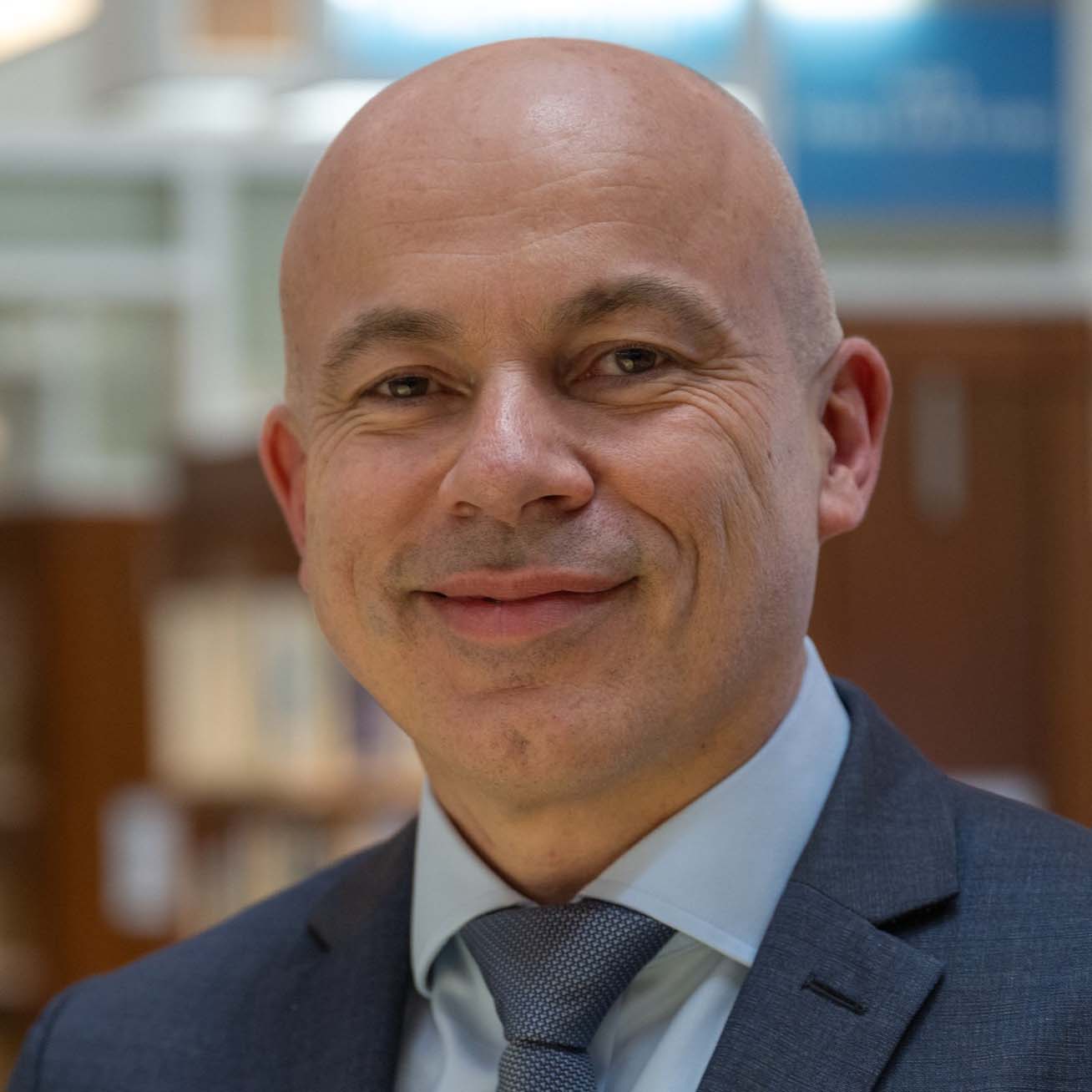
Bertrand Goalou
Principal Transport Specialist Asian Development Bank, Transport Sector Office, Emerging Areas
Bertrand GOALOU leads urban transport and railways initiatives in the Transport Sector Department at the Asian Development Bank, with focus on Emerging Areas and new Transport solutions. With more than 25 years of experience in the sector, Bertrand’s expertise covers all stages of the project cycle. He joined ADB in 2010 and devised sustainable urban transport projects, promoting innovation and transformative approach. Prior to joining ADB, Bertrand held various Project Director positions in a French leading international transportation engineering firm. He worked in Europe, Asia, Middle East and Africa and developed urban mobility plans, bus rapid transit, light rail, metro, active modes, electric mobilities and railways projects.
Bertrand holds a postgraduate degree in urban planning and transport from ParisTech, France (2001) and a master degree in civil engineering and urban planning from the National Institute for Applied Sciences (INSA), France (1998).
Cities and Communities
Healthy cities and communities

Tu My Tran
Head of Sustainable Mobility and Global Coordinator - ICLEI – Local Governments for Sustainability
She leads programs that help cities transition to climate-friendly transportation systems for people and goods. Tu My focuses on decarbonizing transport, improving last-mile logistics, digitalizing transportation, and promoting walking and cycling. With a background in management and international relations, she brings a pragmatic approach to urban sustainability across Europe, Asia Pacific, and Africa.
Modal shift
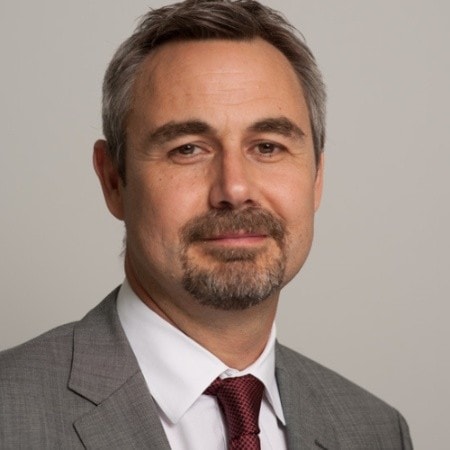
Holger Dalkmann
CEO and Founder - Sustain 2030
Holger Dalkmann is a well-known thought leader with over twenty-five years experience in the field of transport, cities, sustainability and climate change.Holger is Founder & CEO of Sustain 2030. He is supporting governmental organisations, foundations and leading NGOs in their efforts to scale their impact towards decarbonisation and sustainable development. Holger was one of the co-founders as well as board member of SLOCAT and Director for WRI’s sustainable transport program.He has published over 100 articles including the influential Avoid-Shift-Improve concept. He is a frequent speaker and moderator at international events on sustainable mobility and climate change.
Seamless Connectivity

Lidia Signor
Head of Multimodal Mobility Unit - The International Association of Public Transport (UITP)
Lidia Signor is the Head of the new UITP unit that covers combined mobility (focusing on the integration of mass transit with active and shared mobility) as well as shared mobility. Italian national, she got her main degree from Ecole des Ponts, France, in Urban Mobility Planning and Design. After her professional experience in France, Peru and Morocco and before joining UITP 4 years ago, she gained valuable expertise in stakeholders’ coordination at the MaaS Alliance and in European project management at ERTICO-ITS Europe, based in Brussels. She speaks Italian, French, Spanish, English and a basic Portuguese.

Carolina Chantrill
Director of Sustainable Mobility - Sustentar
Carolina Chantrill is an Environmental Engineer (Argentine Catholic University, 2009) and has a Master of Urban Planning (University of Illinois at Urbana-Champaign, 2015). In early 2020, she joined Sustentar as Director of Sustainable Mobility. In this role, she has led the activities of the Sustentar in promoting sustainable, low emissions, and resilient strategies in the Transport sector. She is co-chair of the Steering Committee of the regional platform LEDS LAC, and recently elected as Board member of the SLOCAT partnership. Additionally, she is the general coordinator of the consulting portfolio of the Center for Urban Economic Studies of the National University of San Martin (Argentina), since 2021, and most recently senior expert of the Laboratorio de Ideas Sostenibles (LIS).
Green Communications Campaign
Eloy Gomez
Communication and Events Manager - EIT Urban Mobility - Innovation Hub Central
Eloy Gomez Giron has a background in Journalism and Communication, with an extensive experience of 20 years in various EU-funded programmes and communication roles in different countries in Europe. He has led the communication activities is several transnational cooperation programmes (Interreg), namely the design and implementation of their communication strategies, the organisation of different types of events and the production of content for different channels. Currently serving as Communication and Events Manager at EIT Urban Mobility, an initiative of the European Institute of Innovation and Technology, a body of the European Union.
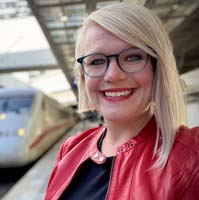
Paige Malott
Principal Communication Strategist – P7 Strategies
Paige Malott is a communications strategist and project manager with over a decade of experience helping international organizations craft clear, impactful messaging and delivering executive education. Specializing in passenger railways, she has worked with global brands, governments, infrastructure managers, and academic institutions to develop strategies that elevate reputations, support capital projects, and simplify technical information for non-specialist audiences. Paige has been involved with UIC for six years, and has worked as a research consultant on several projects, providing thought leadership on substituting flights with train travel, planning intercity rail stations at airports, and financial models for high-speed rail infrastructure. She has also presented at the UIC World Congress on High-Speed Rail and the High-Speed Rail Socioeconomic Impacts Symposium.
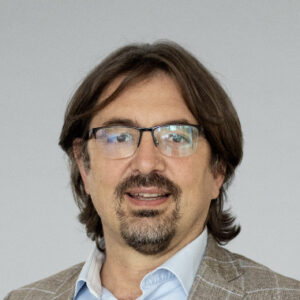
Raimondo Orsini
Director - Sustainable Development Foundation
Raimondo is the Director of the Sustainable Development Foundation since 2008, a not-for-profit organization based in Rome, funded by more than 130 companies, business associations and experts.
He has a long experience in sustainability issues: he graduated in environmental law, with a Master degree in sustainable transport systems. From 1999 to 2005 he was leader of Trenitalia environment team and from 2005 to 2008 was senior environment and sustainability advisor at International Union of Railways (UIC) in Paris.
Lecturer and speaker in international conferences on climate and sustainability, he has published a number or articles on environmental issues as well as on the green transition of companies.
Get In Touch
Contact Us
Privacy policy
Cookie policy